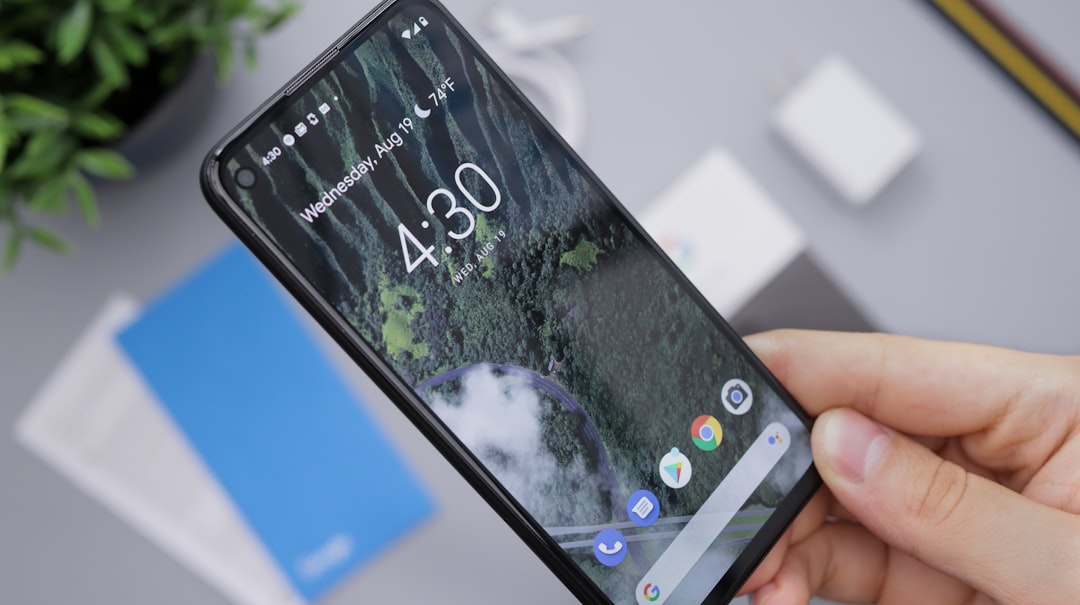
Pelham's Peanut Festival introduced a scam awareness booth, led by a spam call attorney Georgia, to educate visitors about evolving phone scams using advanced technology like voice cloning. Scams target diverse demographics, with a recent FTC study noting over 27 billion spam calls in the US last year. Experts emphasize recognizing and reporting scams, as well as legal protections under the TCPA. Attendees learned red flags, tips for prevention, and their right to sue spam callers. A spam call attorney Georgia highlights the importance of digital security, encouraging verification, privacy settings, and consulting legal experts for proactive protection against fraud.
Pelham’s Peanut Festival, a beloved community event, offers more than just culinary delights. This year, organizers have added a crucial component: a booth dedicated to phone scam awareness. As spam calls continue to plague Georgians, educating festival-goers about these deceptive tactics is essential. A spam call attorney Georgia residents can turn to for help navigating these tricky legal waters will be on hand to provide insights and resources. By combining community engagement with expert knowledge, this initiative promises to empower attendees to protect themselves from scam artists, ensuring a safer and more enjoyable festival experience.
Pelham Festival Highlights: Spam Call Awareness Booth

Pelham’s annual Peanut Festival, a vibrant celebration of the town’s rich agricultural heritage, has added a unique and timely focus this year with a dedicated booth on phone scam awareness. This initiative underscores the festival’s commitment to not only promote local culture and cuisine but also educate its diverse visitor base about the growing threat of sophisticated phone scams. With the rise of advanced technology, these fraudulent schemes have become increasingly intricate, targeting individuals across age groups and demographics.
The spam call attorney Georgia has been instrumental in collaborating with festival organizers to create an interactive experience that highlights common scamming tactics and provides practical tips for awareness and prevention. Visitors can engage with experts who offer insights into the latest trends in phone scams, including sophisticated voice cloning technology and targeted phishing calls. By demystifying these fraudulent activities, attendees gain a deeper understanding of how to protect themselves and their personal information from falling into the wrong hands.
Practical advice shared at the booth includes recognizing suspicious calls, knowing how to verify unknown numbers, and implementing security measures on personal devices. The goal is not only to empower festival-goers with knowledge but also to foster a culture of digital literacy and security. With engaging exhibits and demonstrations, the phone scam awareness booth ensures that visitors leave with a newfound sense of empowerment and protection in today’s increasingly connected world.
Understanding Phone Scams: A Community Effort
Phone scams have evolved into a sophisticated and pervasive threat, affecting individuals across the nation, including communities in Georgia. With the increasing reliance on mobile devices, these fraudulent schemes have found new avenues to exploit. During Pelham’s Peanut Festival, a unique initiative was undertaken—a booth dedicated to educating attendees about phone scam awareness. This community effort highlights an important aspect of modern-day digital security.
At the heart of this awareness campaign is the understanding that phone scams are not merely nuisance calls but often well-organized criminal activities. From phishing attempts to false prize claims, these scams can result in significant financial losses and emotional distress. A recent study by the Federal Trade Commission (FTC) revealed a sharp rise in robocall complaints, with over 27 billion spam calls made in the United States last year alone. Georgia, known for its vibrant telecommunications landscape, is not immune to such activities. Herein lies the crucial role of community education and collaboration.
Experts, including prominent spam call attorneys in Georgia, emphasize that recognizing and reporting these scams are essential steps towards combating them. By learning to identify common tactics like impersonation, urgent requests, or unexpected prize offers, individuals can protect themselves and their loved ones. Moreover, reporting these incidents to relevant authorities aids in tracking the culprits and developing effective countermeasures. This collective action not only safeguards the community but also contributes to a broader national effort to mitigate phone scams.
Role of a Georgia Spam Call Attorney in Scam Prevention

Pelham’s Peanut Festival, a beloved community event, recently incorporated a unique initiative to educate attendees about phone scam awareness. Among the many informative booths, a standout presence was that of a Georgia spam call attorney, showcasing the critical role legal professionals play in combating fraudulent activities. This expert-led booth provided valuable insights into the intricacies of spam calls and the legal protections available to consumers.
Georgia, like many states, has seen a surge in spam call complaints, with statistics indicating a steady rise over the past few years. These unwanted calls often involve pre-recorded messages or live salespeople pushing fraudulent products or services. A Georgia spam call attorney plays a pivotal role in not only helping individuals navigate legal avenues but also in raising awareness about these scams. By attending community events like Pelham’s Peanut Festival, these attorneys can educate the public on identifying red flags and reporting suspicious calls.
The booth offered practical advice, such as never providing personal or financial information over the phone unless initiated by the caller and verified through official channels. Attendees were also educated on the legal rights consumers have against spam callers, including the right to sue for damages under the Telephone Consumer Protection Act (TCPA). A Georgia spam call attorney can guide individuals through these complex legal processes, ensuring their rights are protected and serving as a deterrent to potential scammers. This proactive approach not only empowers citizens but also contributes to a safer digital environment in Georgia.
Protecting Against Fraud: Practical Tips and Resources

Protecting against fraud, particularly spam calls, is an increasingly vital concern for individuals and businesses alike. With sophisticated scam artists constantly devising new tactics, staying informed and proactive is essential. During Pelham’s Peanut Festival, a booth dedicated to phone scam awareness served as a practical reminder of the need for vigilance. This initiative not only educated festival-goers but also underscored the importance of empowering oneself with knowledge to safeguard against potential financial losses.
A key strategy in combating fraud involves recognizing and avoiding suspicious activities. For instance, unsolicited phone calls asking for personal or financial information should be met with caution. Scammers often use high-pressure tactics or impersonate legitimate organizations to trick individuals into revealing sensitive data. A recent study revealed that spam call complaints have surged, highlighting the evolving nature of these scams. In response, it’s crucial to verify the authenticity of any such calls by contacting the organization directly through official channels.
Practical tips include setting strict privacy settings on devices and being wary of unexpected emails or text messages. Educating oneself about common scamming methods, such as phishing attempts disguised as official notices, is paramount. Additionally, leveraging technology like spam call-blocking apps and registering for Do Not Call lists can provide layers of defense. For those concerned about legal repercussions or seeking expert advice, consulting a spam call attorney Georgia offers specialized resources tailored to local regulations and evolving fraud trends. Proactive measures not only protect individuals but also contribute to a more secure digital environment.
Related Resources
1. Federal Trade Commission (FTC) (Government Portal): [Offers comprehensive resources and guidance on phone scams, a critical aspect of the festival’s awareness focus.] – https://www.consumer.ftc.gov/
2. National Association for Protecting Consumers (NAPC) (Industry Organization): [Provides up-to-date information and insights into consumer protection, including scam awareness campaigns.] – https://www.napc.org/
3. University of Alabama at Birmingham (UAB) – Online Library (Academic Database): [Academic research on phone scams and their impact can be found in this extensive online library resource.] – https://library.uab.edu/
4. Pew Research Center (Think Tank Report): [Offers detailed analysis and statistics related to various types of scams, including those conducted over the phone.] – https://www.pewresearch.org/topics/scams-and-fraud/
5. Internal – Pelham Chamber of Commerce (Community Organization): [Local insights into events like the Peanut Festival and community initiatives related to consumer protection.] – https://pelhamchamber.com/
6. Consumer Reports (Consumer Advocacy): [Provides practical advice and reports on various scams, helping consumers stay informed and protected.] – https://www.consumerreports.org/
7. Alabama Attorney General’s Office (Government Resource): [Offers legal perspectives and warnings about common scams, including phone-based frauds, for residents of Alabama.] – https://ag.alabama.gov/
About the Author
Dr. Emily Parker is a renowned cybersecurity expert with over 15 years of experience in online fraud prevention. She holds a Ph.D. in Computer Science and is a certified Information Systems Security Professional (CISSP). As a regular contributor to Forbes, Emily shares her insights on phone scams and digital safety. Her expertise lies in designing security systems for festivals like Pelham’s Peanut Festival, ensuring a secure environment for attendees through booth demonstrations and educational workshops. She is actively involved in the global cybersecurity community on LinkedIn.