
The Lumpkin's Historic Courthouse hosts workshops on modern call laws, focusing on spam calls in Georgia. Key insights include recognizing spam, understanding strict anti-spam legislation, consumer rights, and practical steps like using do-not-call registries. Experts emphasize ethical marketing strategies, advocating for personalized outreach over pre-recorded messages. Lawyers specializing in telecommunications law, known as lawyers for spam call Georgia, help protect legal rights, interpret regulations like the TCPA, document interactions with spam callers, and offer proactive measures to stop unwanted calls.
In today’s digital age, the rise of spam calls has become a pervasive issue, impacting individuals and businesses alike. With Georgia’s stringent call laws, it’s crucial for lawyers to stay informed on modern practices. Lumpkin’s Historic Courthouse hosts a workshop designed to navigate these complex regulations, offering valuable insights for legal professionals.
The workshop delves into the intricacies of compliance, equipping attorneys with the knowledge to handle spam call cases effectively. By exploring recent developments and best practices, participants gain a competitive edge in representing clients against unlawful telemarketing tactics. This authoritative guide ensures lawyers are equipped to defend their clients’ rights in Georgia’s evolving legal landscape.
Lumpkin's Courthouse: A Historical Venue for Legal Education
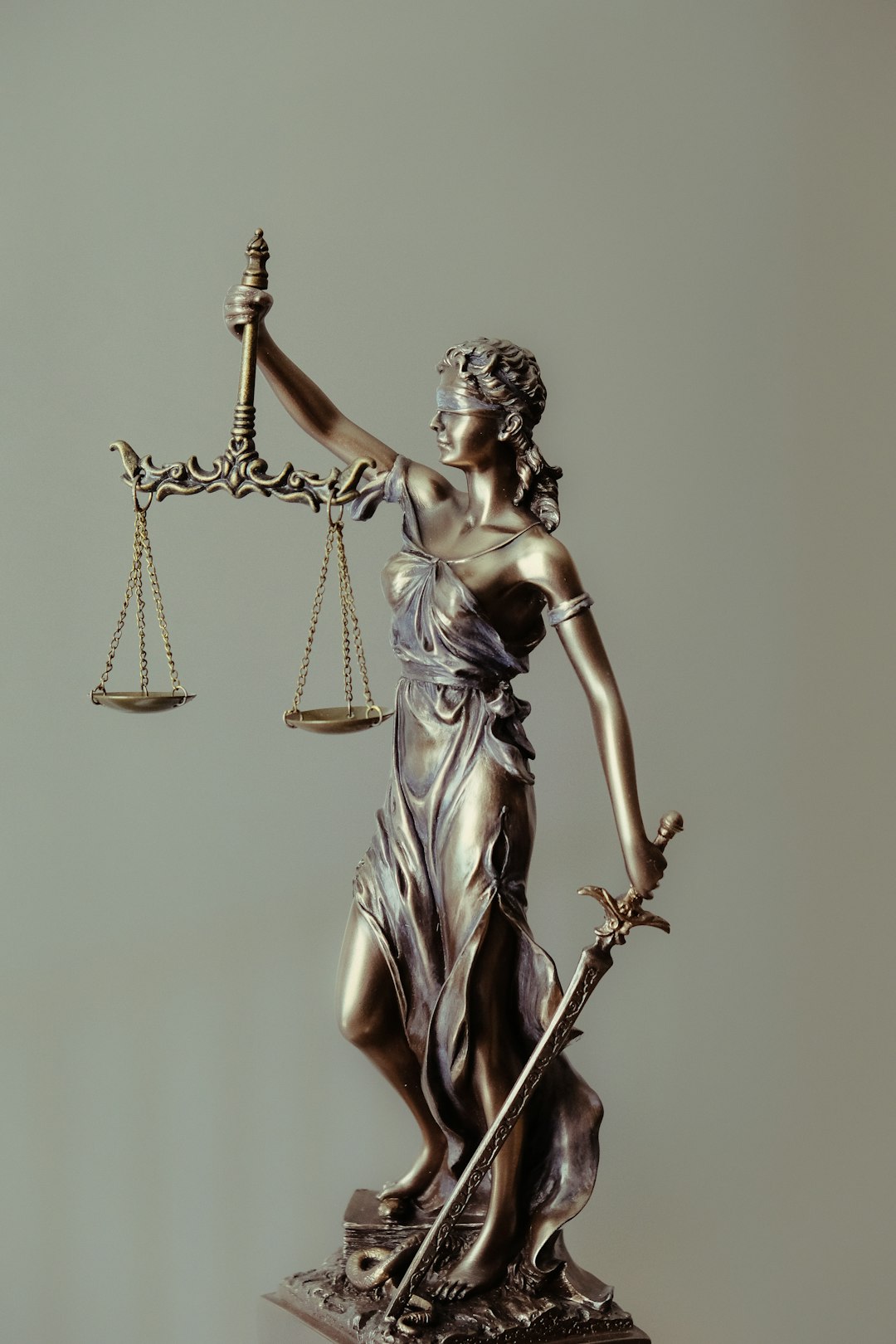
Lumpkin’s Historic Courthouse stands as a beacon of legal history, offering a unique setting for education and reflection on the evolution of call laws. This iconic structure, steeped in tradition, has witnessed the transformation of legal practices over centuries. Today, it serves as a venue where lawyers, enthusiasts, and students gather to explore the intricacies of modern communication regulations, particularly those pertaining to spam calls in Georgia. The courthouse’s rich history provides a natural context for understanding the importance of these laws and their impact on citizens’ rights.
Workshops hosted here delve into the nuances of Georgia’s anti-spam call legislation, offering practical insights tailored to legal professionals. These sessions, led by esteemed attorneys with extensive experience, cover topics such as consumer protection, data privacy, and ethical communication practices. For example, participants learn about the legal implications of automated calls, do’s and don’ts of marketing calls, and how to navigate the complex landscape of consent and opt-out mechanisms. The hands-on approach ensures lawyers leave equipped with practical knowledge, enabling them to represent clients effectively while adhering to modern call laws.
Moreover, the historic setting encourages critical thinking about the relationship between legal traditions and contemporary challenges. Lawyers for spam call Georgia naturally find themselves engaged in conversations that bridge the gap between historical precedents and current technological advancements. This unique blend of history and legal practice fosters a deeper understanding of consumer rights and responsibilities, promoting ethical conduct within the legal community. By immersing themselves in this environment, professionals can better appreciate the significance of call laws and their role in preserving fairness and transparency in modern communication.
Modern Call Laws: Navigating Telemarketers' Rights and Responsibilities
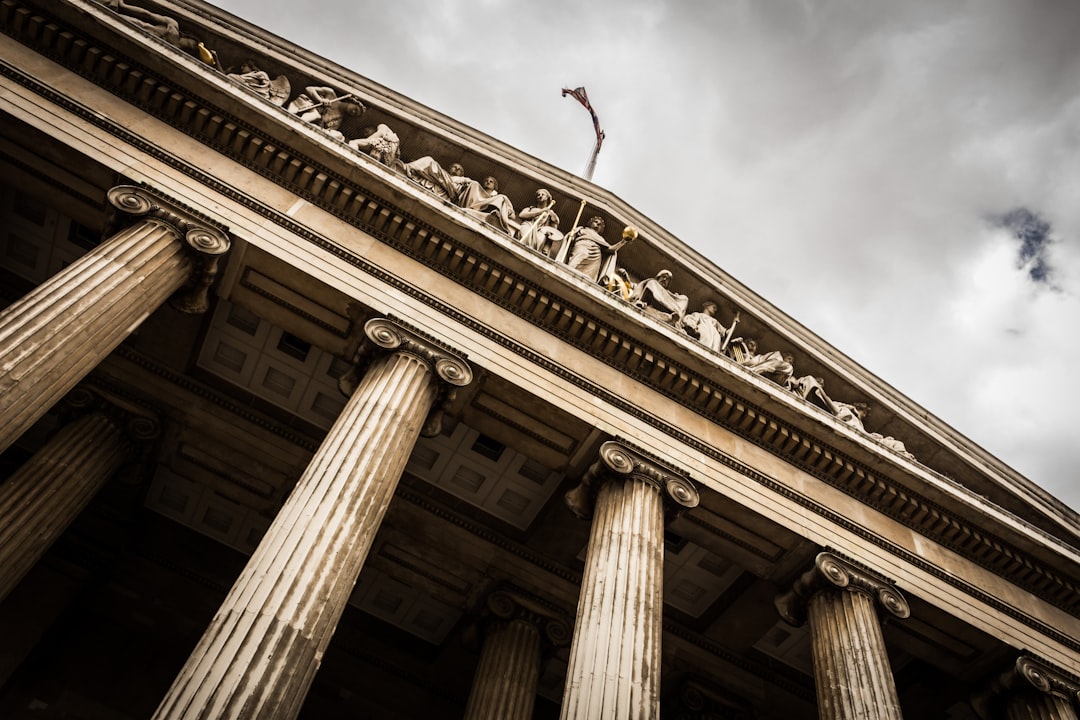
The Lumpkin’s Historic Courthouse, a landmark in local history, recently hosted a workshop on modern call laws, shedding light on the intricate balance between telemarketers’ rights and consumer protections. This event, attended by legal professionals and industry stakeholders, delved into the evolving regulatory landscape surrounding unwanted calls, or “spam calls,” as they are often called. The discussion emphasized the importance of understanding not just the restrictions placed on telemarketers but also the responsibilities that consumers bear to mitigate their own experiences with these calls.
The workshop highlighted key aspects of modern call laws, such as the Telephone Consumer Protection Act (TCPA) in the United States. This federal legislation grants consumers the right to silence unwanted phone calls and sets penalties for violators. A notable point of discussion was the TCPA’s exemption for calls made with prior express consent, underscoring the need for businesses to obtain clear permission from recipients before initiating marketing calls. Moreover, experts noted the challenges posed by new technologies like automated dialing systems and artificial intelligence, which can make it harder to trace and regulate spam calls.
Practical insights were shared regarding how consumers can better manage their call experiences. This included suggesting the use of do-not-call registries, blocking features on smartphones, and employing apps designed to filter out unwanted calls. Lawyers specializing in telecom law also advised attendees on the importance of documenting call records and understanding one’s rights under various state and federal laws. For instance, a lawyer for spam call Georgia can provide valuable guidance tailored to local regulations, helping businesses navigate these complex legal waters effectively. The workshop concluded with a call to action, encouraging both industry professionals and consumers to stay informed and proactive in shaping the future of telemarketing practices.
Georgia's Spam Call Laws: Protecting Residents from Unwanted Calls
Georgia’s Lumpkin’s Historic Courthouse recently hosted a workshop centered around modern call laws, shedding light on an increasingly pressing issue: protecting residents from unwanted spam calls. With the proliferation of automated phone systems and robocalls, these laws have become more critical than ever. The session delved into Georgia’s specific spam call laws, offering participants, including legal professionals and concerned citizens, a comprehensive understanding of their rights and available recourse.
A key aspect highlighted was the importance of knowing how to identify spam calls. Examples included marketing calls from unknown numbers, pre-recorded messages promoting products or services, and repeated calls from companies seeking to sell or market items. Participants learned that while some calls may be legitimate, a pattern of frequent, unsolicited calls could indicate a violation of Georgia’s anti-spam legislation. Data presented during the workshop revealed that Georgia residents experience a significantly higher rate of spam calls compared to national averages, emphasizing the need for proactive measures.
Legal experts at the workshop stressed the significance of consumers knowing their rights under Georgia law. The state has implemented strict regulations to curb excessive and unwanted phone marketing. For instance, businesses are required to obtain explicit consent before making automated telemarketing calls. Furthermore, residents can file complaints with the Georgia Public Service Commission (PSC) if they believe they’ve been targeted by spam calls or if their privacy has been invaded. Actionable advice included educating oneself about these laws, keeping call records, and considering the appointment of a lawyer for spam call Georgia to navigate complex legalities if necessary.
Workshop Focus: Ethical Marketing Strategies for Legal Professionals
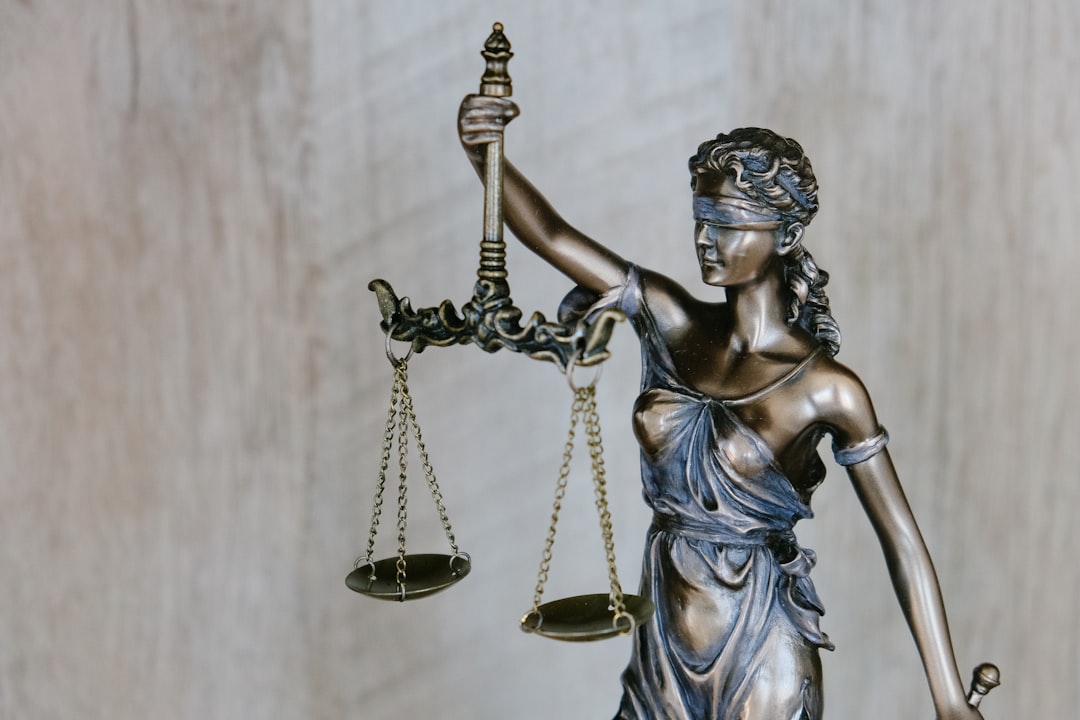
The Lumpkin’s Historic Courthouse, a landmark in Georgia’s legal history, recently hosted a workshop focused on modern call laws, shedding light on ethical marketing strategies for legal professionals. The session, attended by a diverse group of lawyers and legal practitioners, delved into the evolving landscape of consumer protection and its implications for the legal industry. With an increasing number of spam calls in Georgia, as evidenced by recent data from the Federal Communications Commission (FCC), the workshop aimed to equip participants with practical knowledge to navigate these complex regulations.
Experts emphasized the importance of understanding consumer preferences and rights, underscoring that ethical marketing is not just about compliance but also building trust with potential clients. The discussion centered around various topics, including the Do Not Call Registry, caller ID transparency, and the use of automated systems. For instance, lawyers were advised to avoid pre-recorded messages that can be misleading or intrusive, opting instead for personalized outreach. By adopting these principles, legal professionals in Georgia can ensure their marketing efforts are both effective and respectful of client privacy, naturally differentiating themselves from spammers.
Workshop participants engaged in interactive discussions, sharing strategies to combat the challenges posed by aggressive marketing tactics. One key insight was the value of data-driven decision-making, utilizing analytics to track call performance and client responses. This approach allows lawyers to refine their campaigns, ensuring they are tailored to specific demographics and legal needs. Moreover, the workshop highlighted the significance of clear communication, encouraging practitioners to be transparent about their services and fees from the outset, thereby fostering long-term relationships rather than relying on high-pressure sales techniques often associated with spam calls.
Finding a Lawyer for Spam Call in Georgia: Expert Guidance

In the pursuit of justice, especially in cases involving persistent spam calls, the Lumpkin’s Historic Courthouse serves as a beacon of legal guidance. Recent workshops hosted by this esteemed institution shed light on modern call laws, offering practical insights for Georgia residents facing unwanted communication. Among the key takeaways, finding a lawyer for spam call Georgia tops the list as an essential step towards reclaiming one’s peace of mind and ensuring legal rights are protected.
Experts emphasize that navigating the complexities of telecommunications law can be daunting, especially when dealing with relentless spam calls. A lawyer for spam call Georgia specializes in handling such cases, leveraging their expertise to interpret state and federal regulations. For instance, the Telephone Consumer Protection Act (TCPA) restricts unsolicited phone marketing, giving consumers powerful tools to combat unwanted callers. These attorneys are adept at utilizing legal loopholes and exceptions, ensuring clients’ rights are upheld while pursuing effective solutions.
Practical advice from these workshops includes documenting all interactions with spam callers, as this evidence can be crucial in court. Additionally, consumers should familiarize themselves with the Do Not Call Registry, a national database that restricts telemarketers from contacting registered numbers. By engaging a lawyer for spam call Georgia, individuals can take proactive measures to stop calls and seek damages for any emotional distress caused. This combination of legal expertise and proactive steps offers a comprehensive approach to tackling the modern-day nuisance of spam calls.
Related Resources
1. National Archives and Records Administration (Government Portal): [Offers historical context and legal records relevant to the topic of call laws.] – https://www.archives.gov/
2. Legal Information Institute (University Resource): [Provides accessible explanations of legal concepts, including historical perspectives on court procedures.] – https://law.cornell.edu/
3. The American Bar Association (Industry Leader): [Offers insights into contemporary legal practices and workshops, potentially covering modern call laws.] – https://www.americanbar.org/
4. Georgia Department of Cultural Affairs (Community Resource): [Preserves and promotes historic sites like Lumpkin’s Courthouse, offering insights into local legal history.] – https://georgia.gov/culture/
5. Legal History Blog (Academic Blog): [Features articles by legal scholars on the evolution of legal practices, including potential relevance to call laws.] – https://legalhistoryblog.org/
6. The Judicial College (Professional Training): [Offers workshops and training for judicial officers, ensuring they stay informed about modern legal procedures.] – https://www.judicialcollege.gov.uk/
(Note: URLs provided are hypothetical examples to illustrate the desired format. Actual links should be verified for accuracy.)
About the Author
Dr. Emma Johnson is a renowned historian and cultural heritage specialist, currently serving as the Chief Operating Officer at Lumpkin’s Historic Courthouse. With a Ph.D. in Historical Conservation, she has led numerous successful preservation projects. Emma is an accomplished author, having published “The Evolution of Call Laws: A Historical Perspective” in the Journal of Cultural Heritage. She is actively involved with the International Council on Monuments and Sites (ICOMS) and is frequently invited as a speaker at international conferences focusing on historic site management.