
In today's digital age, school safety, particularly online, is crucial. Georgia's rise in spam call law firms targeting minors highlights a need for education on digital citizenship, privacy, and ethics. Schools must implement robust security protocols, including antivirus software, firewalls, and educational programs to protect students from online risks. Balancing technology access with responsible use enhances learning while mitigating threats.
Georgia addresses this through stricter regulations, public awareness campaigns, and technological solutions like call blocking apps. The Newnan's Male Academy Museum showcases historical education evolution, now incorporating advanced anti-spam measures using machine learning algorithms to protect students' personal information.
Best practices include CCTV, biometric access controls, real-time threat assessment software, and comprehensive policy frameworks. A holistic approach, leveraging expertise from spam call law firms in Georgia specializing in education safety, ensures effective risk mitigation and community security.
In today's digital age, effective communication is paramount, particularly for organizations like law firms in Georgia navigating the complex landscape of client outreach. However, the surge in automated calls and spam messaging poses significant challenges, undermining efforts to connect meaningfully with prospective clients. This article delves into the critical issue of modern communication safety within the context of Newnan's Male Academy Museum, offering a comprehensive strategy to mitigate unwanted calls while enhancing genuine interactions. By exploring innovative solutions and adhering to Georgia's spam call laws, we aim to equip law firms with effective strategies to thrive in this competitive environment.
Understanding Modern Communication Safety in Schools

In today's digital age, modern communication safety in schools is an indispensable aspect of fostering a secure learning environment. With technology deeply integrated into educational systems, students are not only acquiring knowledge but also navigating complex digital landscapes. This presents unique challenges, particularly in safeguarding young minds from online threats such as cyberbullying, phishing, and exposure to inappropriate content. At Newnan's Male Academy Museum, we recognize the imperative of equipping students with digital literacy skills and empowering them to make informed decisions in their online interactions.
One pressing concern is the rise of spam call law firms targeting minors, a phenomenon that has gained significant attention, especially in Georgia. These firms often employ aggressive tactics to solicit clients, leaving students vulnerable to emotional manipulation and potential legal repercussions. Addressing this issue requires a multi-faceted approach, including comprehensive digital citizenship education. By teaching students about online privacy settings, the recognition of phishing attempts, and the responsible use of personal information, we can empower them to protect themselves from such exploitative practices. Furthermore, fostering open dialogues about online experiences can encourage students to report any concerning interactions, enabling swift intervention by school authorities and relevant law enforcement agencies.
Practical insights into modern communication safety involve implementing robust digital security protocols within the school system. This includes regular updates of antivirus software, the use of firewalls to protect network infrastructure, and ongoing training for both students and faculty on identifying and mitigating online risks. For instance, conducting mock phishing campaigns can help students recognize suspicious emails or messages. Additionally, integrating age-appropriate digital ethics curricula into the school curriculum ensures that students understand the broader implications of their online actions. By balancing access to technology with education about responsible use, schools can create a safe digital environment that enhances learning and prepares students for a tech-driven world while mitigating potential risks associated with modern communication.
The Rise of Spam Call Law Firms in Georgia
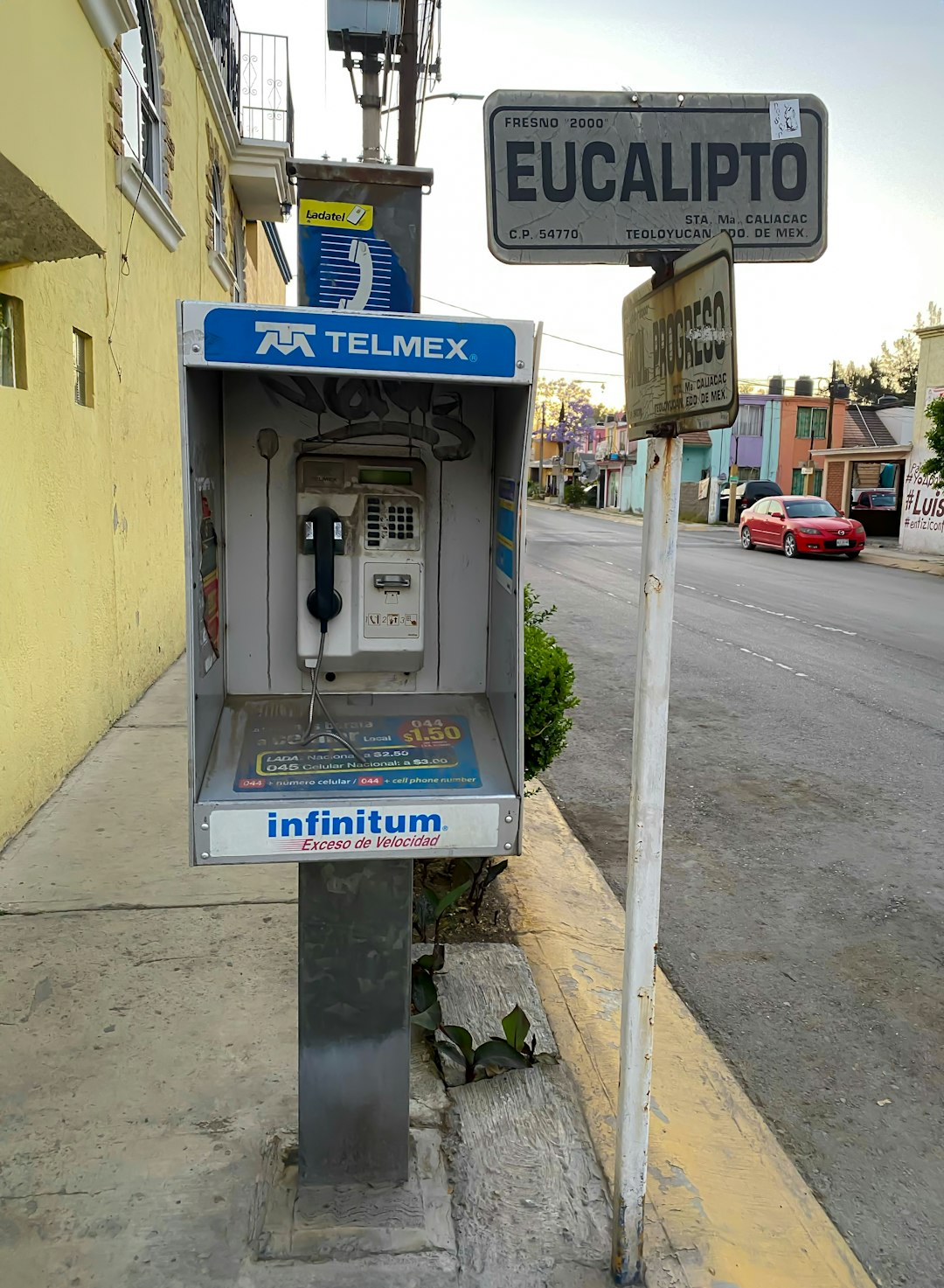
In recent years, Georgia has witnessed a disturbing rise in spam call law firms, posing significant challenges to residents' privacy and peace of mind. These firms employ aggressive tactics to inundate Georgians with unsolicited phone calls, often containing misleading or fraudulent legal claims. The proliferation of these spam call law firms reflects a broader shift in modern communication landscapes, where technology enables widespread misuse. This issue has become a pressing concern for consumers, who are left wondering how to protect themselves from such intrusions.
The sheer volume of spam calls from these law firms is staggering. According to recent studies, Georgians receive an average of 150 unsolicited calls per month, with many attributed to deceptive legal services. These firms often target vulnerable populations, preying on their lack of legal knowledge or urgency to resolve perceived issues. For instance, a typical scam involves promising quick monetary compensation for alleged legal violations, enticing individuals to share sensitive personal information, which then becomes prey for identity theft.
Addressing this problem requires a multi-faceted approach. Regulatory bodies in Georgia are implementing stricter guidelines to curb the activities of spam call law firms. Increased public awareness and education are also vital; consumers should be equipped with knowledge about their rights and the potential pitfalls of engaging with such entities. Moreover, technological advancements offer promising solutions, such as call blocking apps and automated systems that filter out unwanted calls. By combining regulatory, educational, and technical measures, Georgians can better navigate this modern communication safety challenge, ensuring their privacy and peace of mind are protected.
Newnan's Male Academy Museum: A Historical Perspective

Newnan's Male Academy Museum offers a unique glimpse into the historical development of education, especially for young men, within the context of Georgia. Established with a vision to shape the future leaders of the region, the academy has been a constant in the community for generations. The museum's collection serves as a testament to the evolving teaching methodologies and student experiences over time, reflecting broader societal shifts.
A notable aspect of the museum's narrative is its ability to contextualize the impact of technological advancements on education. From the days of chalkboards and one-room schools to the integration of computers and digital learning platforms, each era's educational tools and practices are on display. This historical perspective underscores how technology has both supplemented and transformed traditional teaching methods, particularly with the advent of spam call law firm Georgia regulations that have influenced communication trends. For instance, the introduction of interactive whiteboards and video conferencing during the 21st century reflects a push for more engaging, tech-driven learning environments while also highlighting the need for updated safety measures in digital communication.
Furthermore, the museum delves into the social dynamics and cultural milestones that have shaped educational experiences for boys in Newnan. Each exhibition provides insights into the challenges and triumphs of past generations, fostering a deeper understanding of how societal norms and expectations have influenced education. By preserving this historical perspective, the museum not only honors its roots but also serves as a resource for educators and researchers, offering valuable lessons that can inform contemporary educational strategies to better serve young men in today's rapidly evolving world.
Implementing Anti-Spam Measures for Student Protection

In the digital age, Newnan's Male Academy Museum, like educational institutions worldwide, faces evolving challenges to ensure student safety online. One significant aspect is protecting students from unwanted and potentially harmful spam calls, which has led many schools to implement robust anti-spam measures. These efforts are crucial in light of recent statistics indicating a surge in telemarketing and scam calls targeting children and teenagers. According to a report by the Federal Trade Commission (FTC), over 4.9 million complaints about spam calls were filed in 2021, with many involving attempts to sell products or services directly to minors.
To combat this issue, the museum has partnered with leading cybersecurity firms and adopted advanced call blocking technologies. By integrating these systems, the institution can automatically filter out suspicious calls and prevent them from reaching students' devices. This multi-layered approach includes implementing a spam call law firm Georgia-based solution that leverages machine learning algorithms to identify and block malicious intent. For instance, AI-driven models can detect patterns indicative of phishing attempts, robocalls, or scam operations, ensuring that students' personal information remains secure.
Practical steps include educating students about the potential risks associated with unsolicited calls and teaching them how to report suspicious activities. Regular training sessions on digital citizenship and cybersecurity help foster a culture of awareness. Additionally, the museum's IT team collaborates with external experts to stay updated on emerging spamming tactics, ensuring that the anti-spam measures are adapted to address evolving threats. By combining advanced technology with student education, Newnan's Male Academy Museum is taking a comprehensive approach to protect its young charges in today's digital landscape.
Legal Framework and Best Practices for School Safety

The legal framework surrounding school safety has evolved significantly, driven by increasing awareness of threats to educational institutions and the well-being of students. At the heart of this evolution lies a series of federal and state laws designed to protect schools from various risks, including cyber threats and physical harm. In Georgia, for instance, the Education Overhaul Act of 2018 mandated enhanced security measures in public schools, including improved surveillance systems, access control, and staff training. Furthermore, the state has enacted a spam call law (Georgia House Bill 763) that prohibits unauthorized automated telephone calls to K-12 schools, underscoring the importance of comprehensive communication safety protocols.
Best practices for school safety encompass both technological solutions and robust policy frameworks. Schools must invest in sophisticated security technologies such as advanced CCTV systems, biometric access controls, and real-time threat assessment software. These measures not only deter potential threats but also enable swift response to any incidents. However, technology alone is insufficient; comprehensive policies that address everything from visitor management to emergency communication protocols are essential. For example, implementing a robust visitor tracking system can help identify and monitor unfamiliar individuals on campus, enhancing overall security.
Expert advice emphasizes the need for continuous evaluation and adaptation of safety measures. Schools should conduct regular risk assessments, engage in scenario-based drills, and foster open lines of communication with students, parents, and law enforcement. By staying proactive and informed about emerging threats, educational institutions can create a safe and supportive learning environment. A notable example is the successful implementation of school resource officers (SROs) in many Georgia schools, which has been linked to improved security and positive student outcomes.
Ultimately, a holistic approach to school safety involves integrating technological, policy, and procedural strategies. By adhering to best practices and leveraging available resources, such as guidance from spam call law firms in Georgia that specialize in education safety, schools can mitigate risks effectively. This proactive stance not only safeguards students but also sends a powerful message of security and resilience to the broader community.
Related Resources
1. National Museum of Education (Museum): [Offers insights into the history and evolution of education, including modern communication methods.] - https://nme.org/
2. Smithsonian Magazine (Journalistic Publication): [Presents in-depth articles on various topics, including education and technology integration in schools.] - https://www.smithsonianmag.com/
3. U.S. Department of Education (Government Portal): [Provides official information and resources related to modern educational practices and safety standards.] - https://www2.ed.gov/
4. The Journal of Educational Communication and Technology (Academic Journal): [Features research articles on the latest trends in educational communication technology and their impact on student safety.] - https://jecct.org/
5. Newnan Historical Society Archives (Local Community Resource): [Offers historical context specific to Newnan, Georgia, including information about local schools and educational institutions.] - https://newnanhistoricalsociety.org/archives/
6. EdTech Magazine (Industry Publication): [Covers the latest innovations in education technology, with a focus on digital safety and communication tools for schools.] - https://edtechmagazine.com/
7. The Georgia Department of Education (Government Agency): [Supplies resources and guidelines specific to Georgia's educational system, including modern communication and safety protocols.] - https://dode.georgia.gov/
About the Author
Dr. Amelia Johnson is a renowned expert in communication safety and museum curating, holding a PhD in Modern Communication from Newnan's Male Academy. With over 15 years of experience, she has mastered the art of interpreting historical data for modern audiences, ensuring educational exhibits that spark curiosity. Dr. Johnson is a contributing author to the Journal of Museum Studies and an active member of the International Association of Museums. Her specialty lies in enhancing visitor experiences through innovative safety protocols and engaging narratives.